Summary
Simple home safety tips for seniors can significantly reduce fall risks and create a more secure living environment for older adults in Kingston, PA. Whether you're making updates yourself or helping a loved one, these practical modifications support independence, comfort, and peace of mind at home.
- Keep walkways clear by removing clutter, securing loose rugs, and tucking cords along walls to prevent tripping hazards
- Install grab bars in bathrooms, use non-slip mats, add nightlights, and consider a shower chair to reduce bathroom-related falls
- Improve visibility throughout the home with brighter bulbs in hallways, staircases, and entryways, plus motion-activated lights in frequently used areas
- Make stairs safer by installing sturdy handrails on both sides, ensuring proper lighting, and marking step edges with contrasting tape
- Watch for signs that additional support may be needed, such as increased falls, difficulty with daily routines, or trouble managing medications
For many older adults in Kingston, staying safe at home starts with the small details: a brighter hallway, a clear path to the bathroom, or a grab bar placed where it's needed most. These changes may seem simple, but they can make everyday routines feel easier and more secure.
Whether you are updating your own space or helping a loved one, these home safety tips for seniors can help reduce common risks while supporting comfort, confidence, and peace of mind.
Start With Clear Pathways
One of the most effective ways to prevent falls is to keep walkways open and easy to move through. Clutter, loose rugs, cords, and crowded furniture can all create tripping hazards, especially in spaces used every day.
Use this senior home safety checklist as a starting point:
- Remove loose rugs or secure them with non-slip backing.
- Keep electrical cords tucked along walls, not across walkways.
- Rearrange furniture to create wider paths, especially between the bedroom and bathroom.
- Store frequently used items within easy reach.
- Organize closets and cabinets so items do not fall when doors are opened.
These updates help make daily routines smoother while reducing unnecessary risks around the home.
Focus on Bathroom Safety for Seniors
Bathrooms can be one of the most challenging areas of the home because of wet surfaces, tight spaces, and frequent nighttime use. That's why bathroom safety for seniors is a key part of fall prevention for seniors at home.
Consider these practical updates:
- Install grab bars near the toilet and inside the shower or tub.
- Use non-slip mats inside and outside the shower.
- Add a shower chair or bench for seated bathing.
- Consider a raised toilet seat or safety frame for added support.
- Place a nightlight in or near the bathroom for evening visibility.
These changes can make personal routines feel less stressful while giving families added reassurance.
Improve Lighting Throughout the Home
Good lighting is one of the easiest ways to make a home safer. Dim hallways, shadowed staircases, and dark entryways can make it harder to see obstacles clearly.
To improve visibility:
- Replace dim bulbs with brighter lighting in hallways, bedrooms, stairways, and entryways.
- Add motion-activated lights in areas used often.
- Keep bedside lamps within easy reach.
- Place nightlights along the path from the bedroom to the bathroom.
- Use task lighting in the kitchen, reading areas, and workspaces.
Better lighting supports safer movement and can make the entire home feel more comfortable.
Make Stairs and Steps Easier to Use
Stairs deserve special attention in any home safety checklist for seniors. Even a familiar staircase can become harder to manage over time, especially if the lighting is poor or the handrails are loose.
Helpful updates include:
- Install sturdy handrails on both sides of staircases.
- Make sure steps are well lit from top to bottom.
- Mark the edge of each step with contrasting tape or paint.
- Repair loose carpet, uneven treads, or worn flooring.
- Keep stairs free from shoes, bags, or other items.
If stairs become too difficult, it may be worth discussing whether a bedroom, bathroom, or daily living area can be moved to the main floor.
Reduce Kitchen and Fire Risks
The kitchen is another important place to review when thinking about how to keep seniors safe at home. Simple organization and fire prevention steps can make cooking and meal preparation feel more manageable.
A few helpful changes include:
- Store heavy pots, pans, and dishes on lower shelves.
- Keep a fire extinguisher in an easy-to-reach location.
- Test smoke detectors and carbon monoxide alarms regularly.
- Use back burners when possible to reduce the risk of burns.
- Keep emergency numbers posted in a visible spot.
- Consider automatic shut-off devices if memory concerns are present.
A safer kitchen does not need to feel restrictive. The goal is to make the space easier to use with fewer hazards in the way.
Review Safety During Daily Routines
Home safety isn't just about furniture and lighting. It's also about noticing where daily routines feel harder than they used to. A loved one may be doing well overall but still needs small adjustments to make life easier.
Families may want to pay attention to:
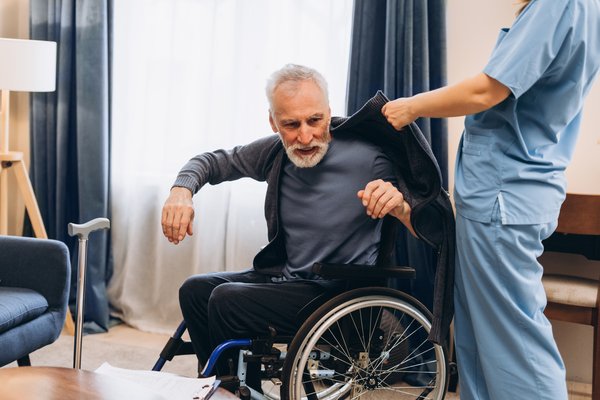
- Trouble getting in or out of a chair
- Missed medications or confusion with schedules
- Increased bruises, stumbles, or near-falls
- Difficulty preparing meals
- Worry about being alone for long periods
- Changes in hygiene, laundry, or housekeeping
Noticing these signs early can help families make thoughtful decisions before a small concern becomes a larger safety issue.
When Home Updates May Not Be Enough
Even with the right safety modifications, some older adults need more day-to-day support than a home setting can provide. That doesn't mean every routine has to change overnight. It simply means it may be time to compare options and decide what level of support feels right.
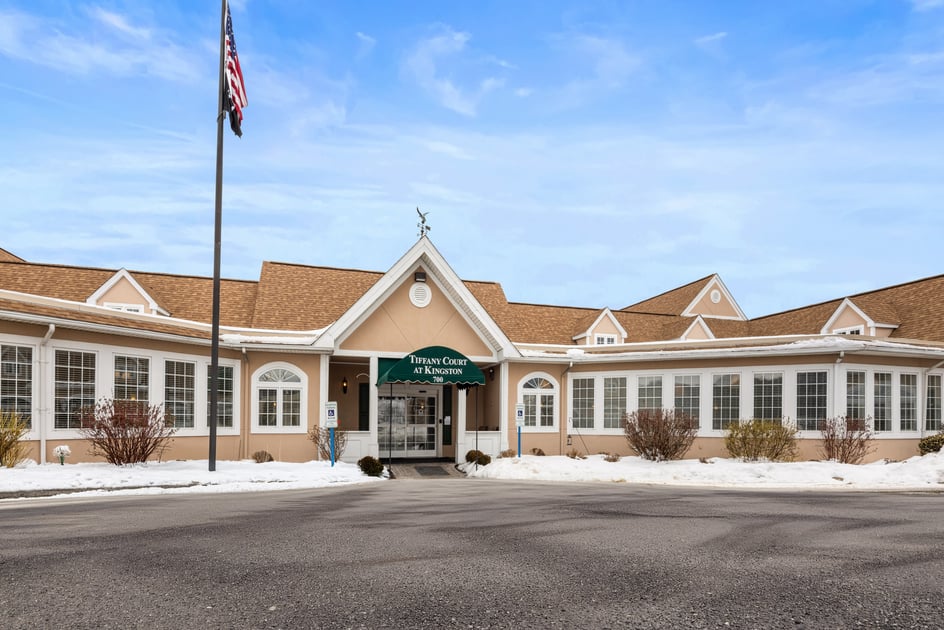
Tiffany Court at Kingston offers Personal Care and GLOW℠ Memory Care in Kingston, PA, with support, engaging programs, home-style dining, housekeeping, scheduled transportation, and apartment home options designed around daily comfort. For residents living with Alzheimer’s disease or related dementias, GLOW℠ Memory Care uses a personalized approach that honors each resident’s life story, routines, and preferences.
For families in Kingston and the surrounding Wilkes-Barre area, exploring both in-home updates and community-based support can make the decision feel more informed and less overwhelming.
Find compassionate support tailored to your loved one’s needs at Tiffany Court at Kingston. Schedule a personalized tour and learn how we can support your family.